A university system with 15,000 students
They needed an adaptive learning platform for disability access. Montedia built a custom solution that improved accessibility and student engagement.

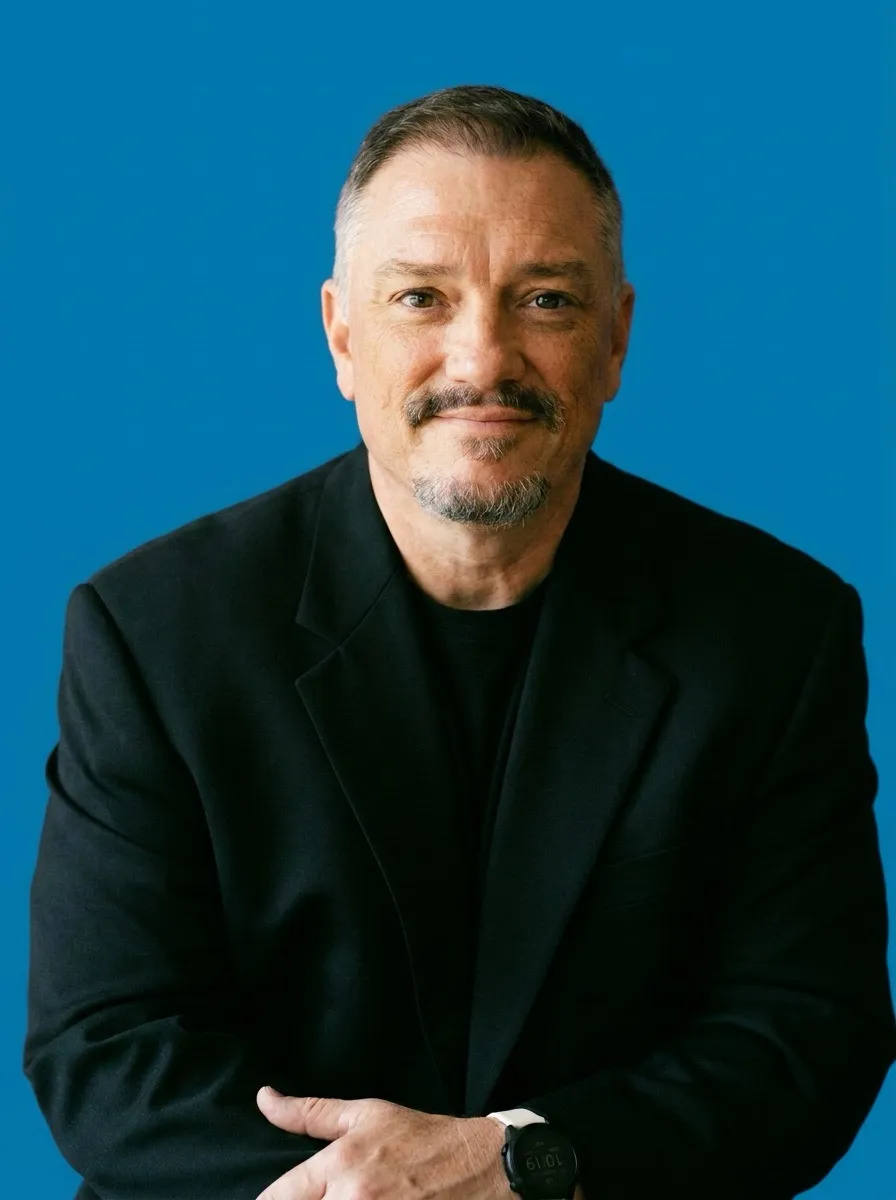
I’m Joe Swenson. I’ve been building software since 2000, and I’ve led technology teams as a CTO and a CIO. These days much of my work is helping people work out where AI belongs in what they do, and where a person still needs to be.
The business grew and the tools didn’t. People are retyping things between systems, and nobody is sure which number is right.
You have a team or a vendor, and work is getting done. You can’t tell whether it’s the right work.
You aren’t sure what, or whether it’s safe, or what it would replace.
None of these is a failure. They’re places where it helps to have someone alongside who has been there before.
Four things I keep coming back to. Each one has a note on how it shows up in the work.
Software should speed up communication between people, not replace it.
Before I design anything, I map who needs to hear what, and when. Most integration work is that map turned into software: one system telling another what a person used to have to remember to pass along.
If a tool removes a conversation that people needed to have, I count that as a defect, even when every test passes.
People are still more creative than machines.
A language model predicts the likely next thing from what has already been written. That makes it fast at drafts, summaries, and first passes at code.
The unlikely idea, the one that fits your situation and nobody else’s, still comes from a person. I use AI for the first kind of work and protect room for the second.
Technology needs guidance from people.
Every AI feature I build has a named person who answers for what it does. In practice that means a set of real questions with known good answers, checks that run before each release, and logs that someone actually reads.
It also means a plain way for a person to step in, overrule the machine, and have that decision stick.
Technology should affirm our humanity, not turn us into machines.
I ask one question of every automation: what will the person do with the time it gives back? If the honest answer is “feed the machine faster,” the design is wrong.
Good tools take the repetitive work and leave people the parts that need judgment and care.
AI is the most capable tool I’ve worked with in twenty-five years. It is still a tool. This is roughly how I divide the work.
Lately this has meant building AI tooling for non-profits, and bringing data together across very different domains.
I don’t name clients. Here are three pieces of work, described plainly.
They needed an adaptive learning platform for disability access. Montedia built a custom solution that improved accessibility and student engagement.
Each bank partner had different onboarding requirements, and they kept changing. I designed a system that delivers onboarding dynamically, which shortened the time to market across a chain of bank partners.
My most recent work is AI tooling for non-profits: tools that take on repetitive tasks so staff have more time for the work only people can do.
It started with ticket management software I wrote for a state university. They asked me to keep building tools after I graduated, and I started Montedia in 2000.
Since then I’ve built custom applications, payment systems, and AI integrations for university departments, international banks, and non-profits. What I learned across all of it is that the technical problem is almost never the real problem. Software can give you answers, but only after someone asks the boring questions.
The first conversation is free and takes about an hour. You tell me what’s going on, I ask questions, and afterward I write up what I’d do. The write-up is yours to keep whether or not we work together.